
The Historic Mercantile Library Building
Building Architecture- Large Scale (>10,000 sf)
Project Narrative
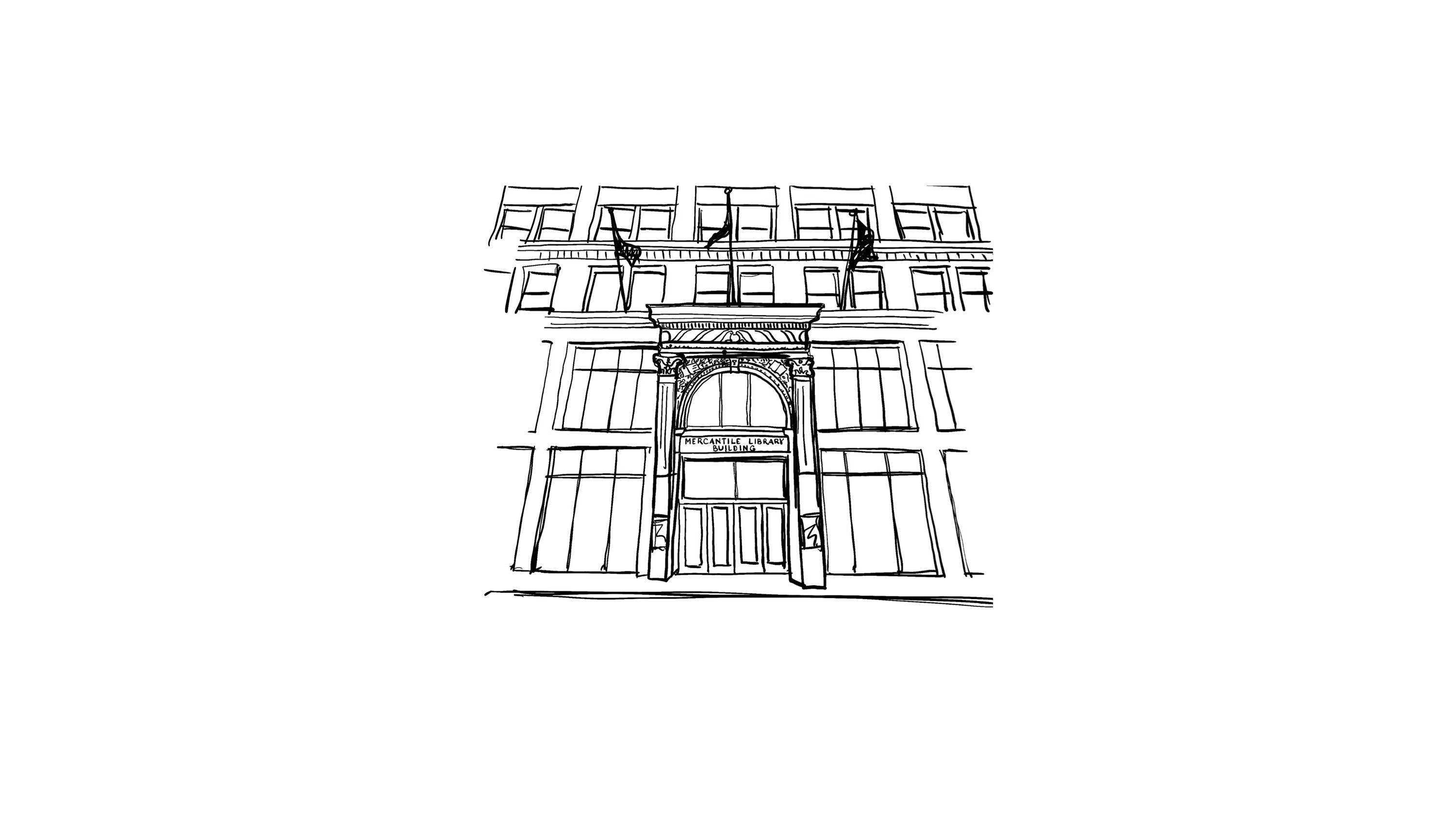
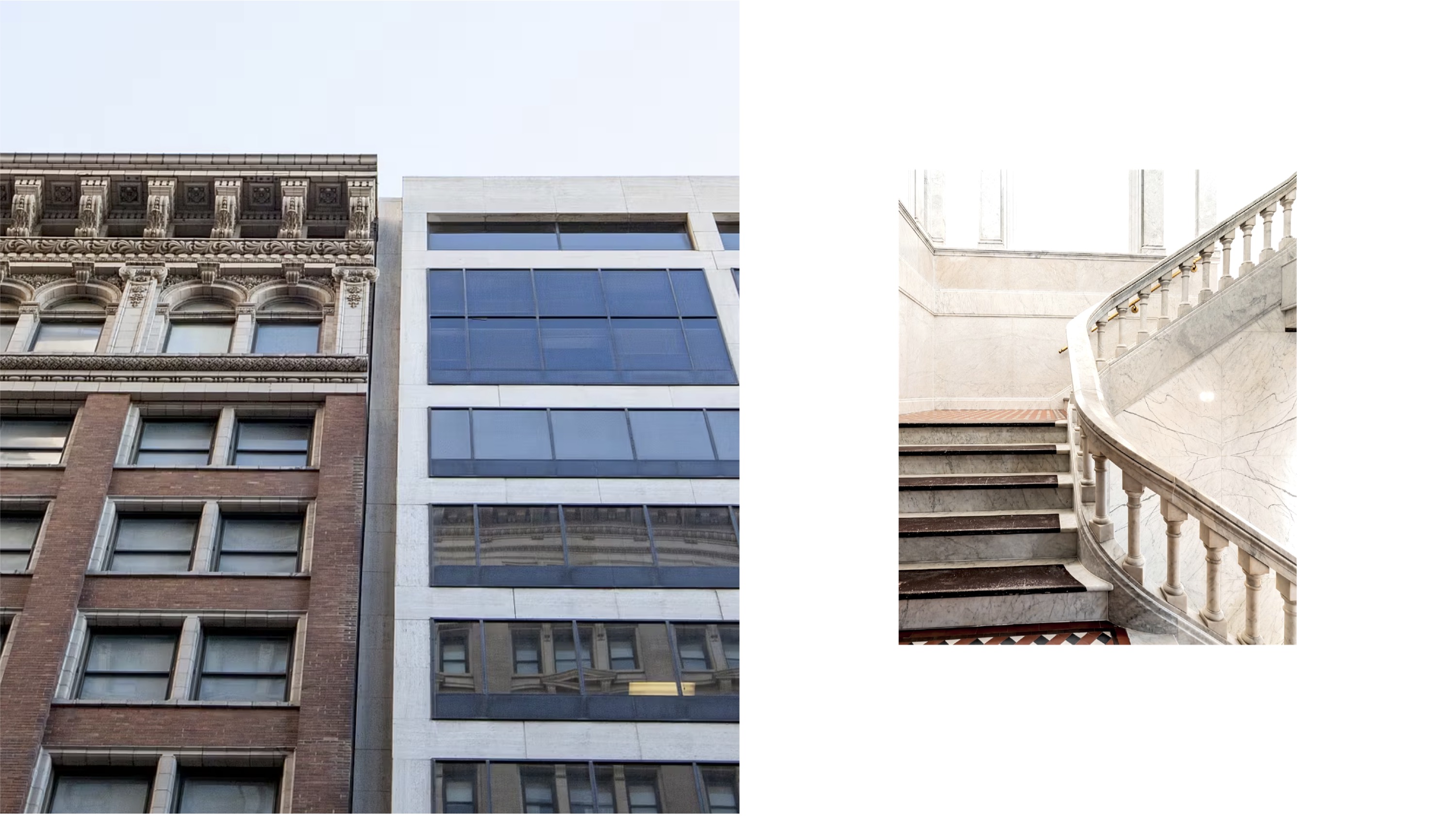
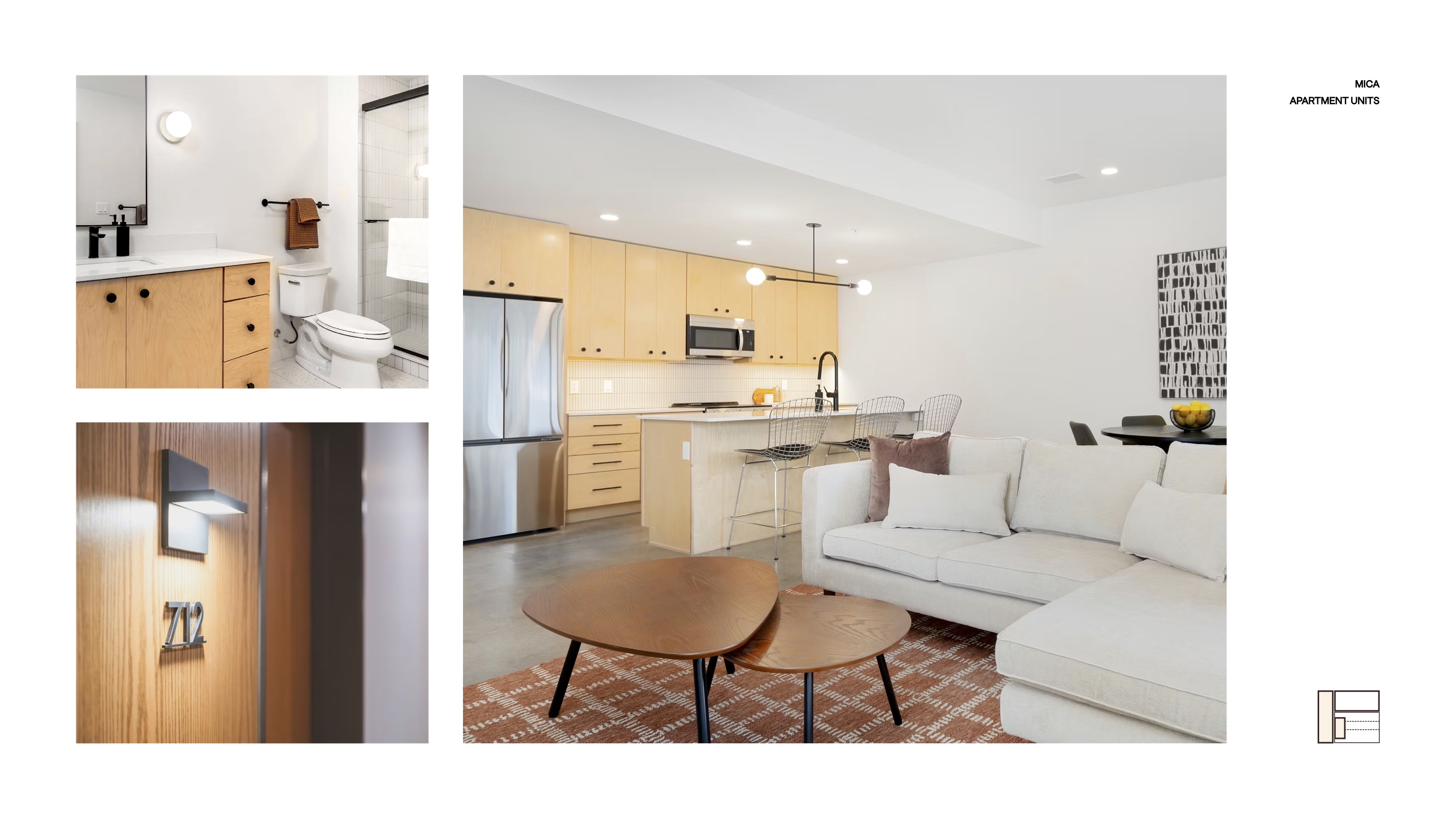
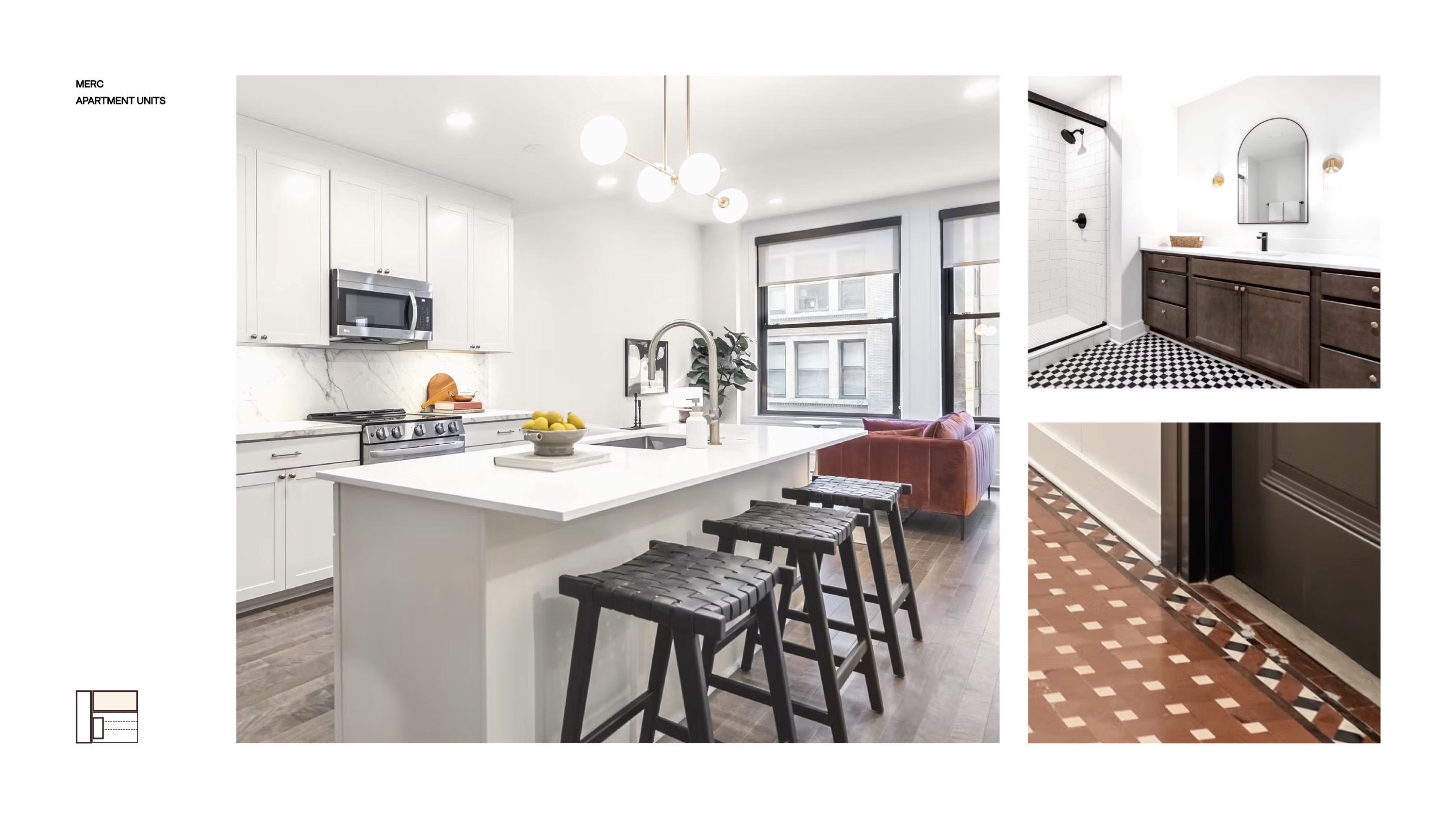
Few projects ask designers to reconcile Beaux Arts grandeur with mid-century minimalism under one roof. The Mercantile Library Building (1904) and the Formica Building (1970), two historically protected and interconnected high-rise structures, posed exactly that challenge. Both buildings received state and federal historic tax credits, supporting their preservation and transformation from obsolete office towers into 156 apartments. This adaptive reuse project establishes a vibrant residential community that responds to the evolving needs of the urban core as demand for downtown housing grows while traditional office use declines. At this scale - spanning the majority of a city block - the project reshapes the downtown streetscape, activates the surrounding area, and sets a new benchmark for large-scale residential conversions.
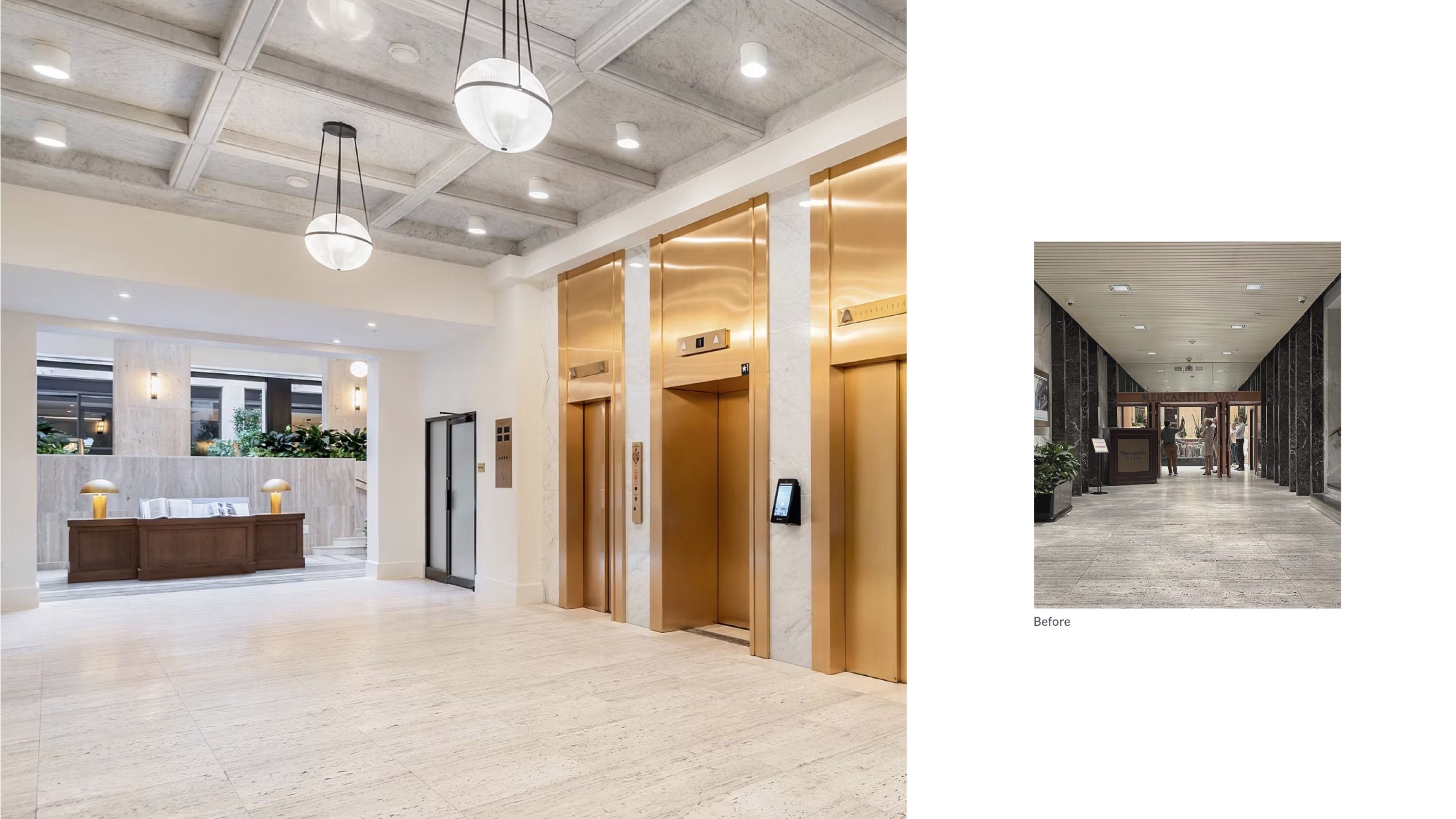
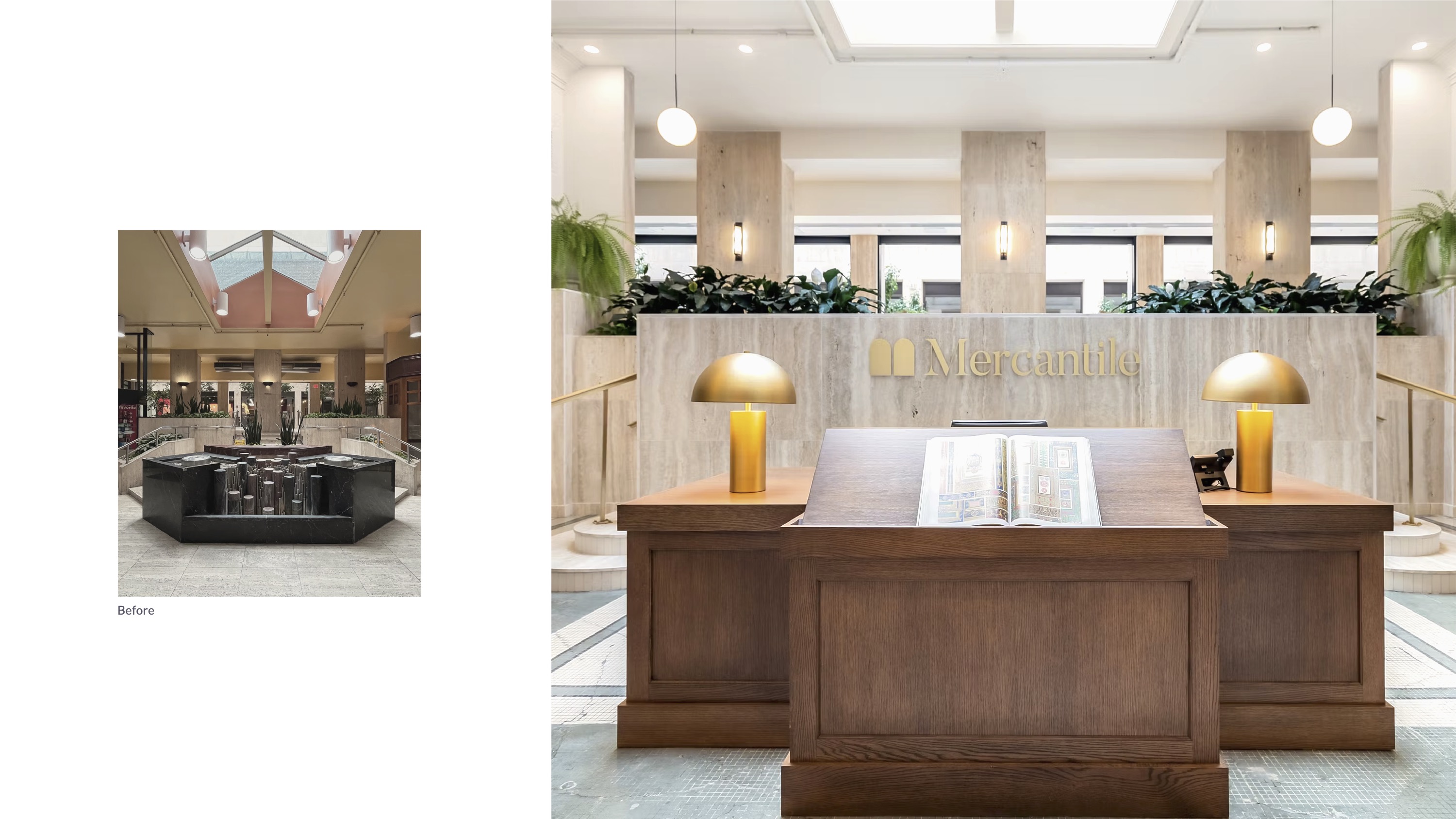
The challenge was not simply to fit apartments within two historic shells, but to create a cohesive experience where two distinct architectural languages could coexist. The team rejected the idea of applying a generic, contemporary layer across the whole project. Instead, each building was given a period-specific design logic: terrazzo, tile grids, warm wood in the Formica; “marble”, mosaic, arches, and stone in the Mercantile. The archaic structural clay tile arch floor system within the Mercantile added a layer of complexity, requiring careful penetration for modern building systems and shaping design decisions throughout.
Discovery became the second driver. Layers of contemporary interventions masked historic character. A coffered ceiling concealed by a dropped grid was revealed and restored; terracotta tile and mosaics resurfaced under stone flooring; decorative bronze panels uncovered behind removed skywalk structure now shine again on the exterior. Endless surprises were embraced and celebrated, calling for constant design adaptation along the way.
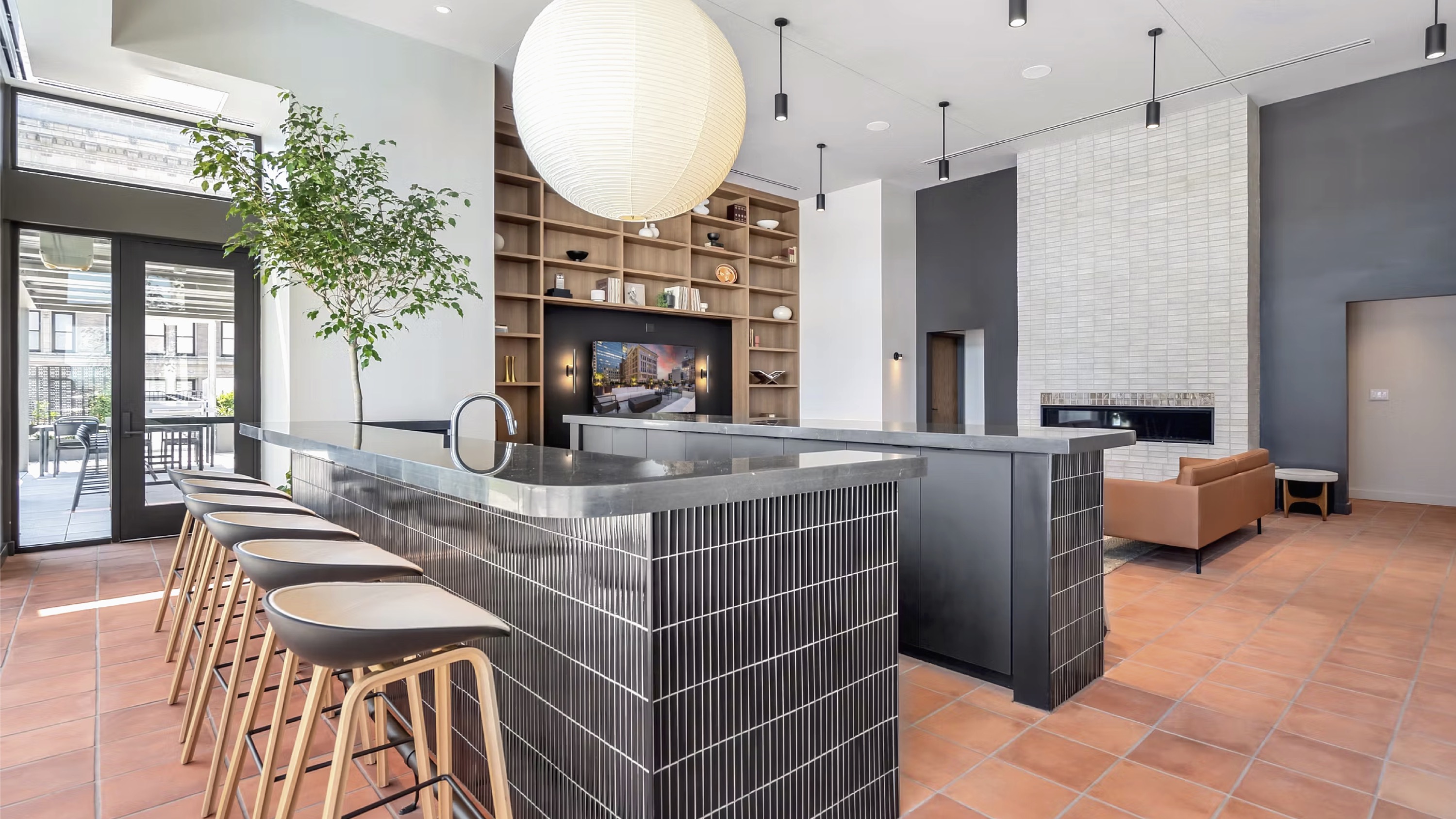
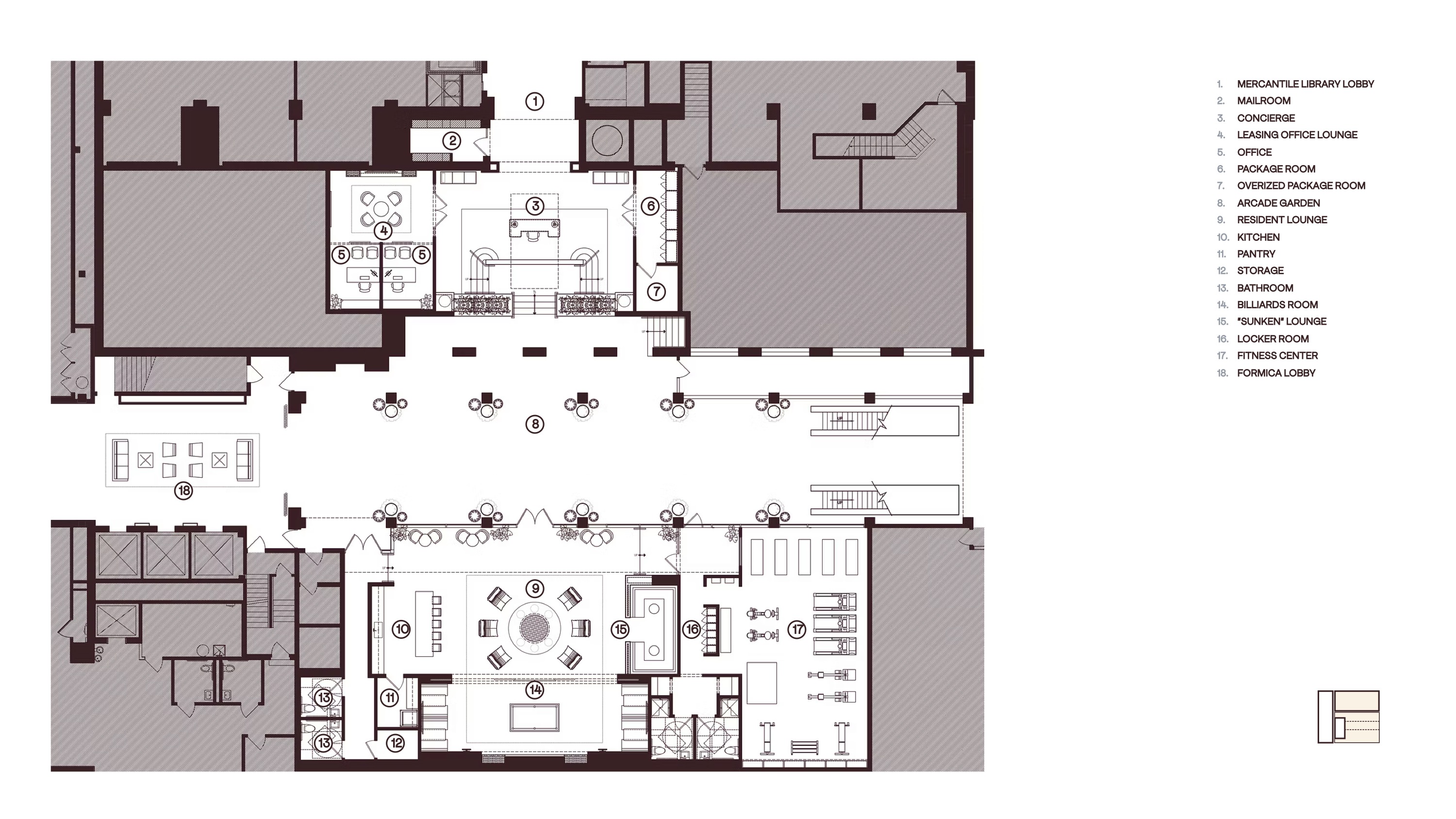
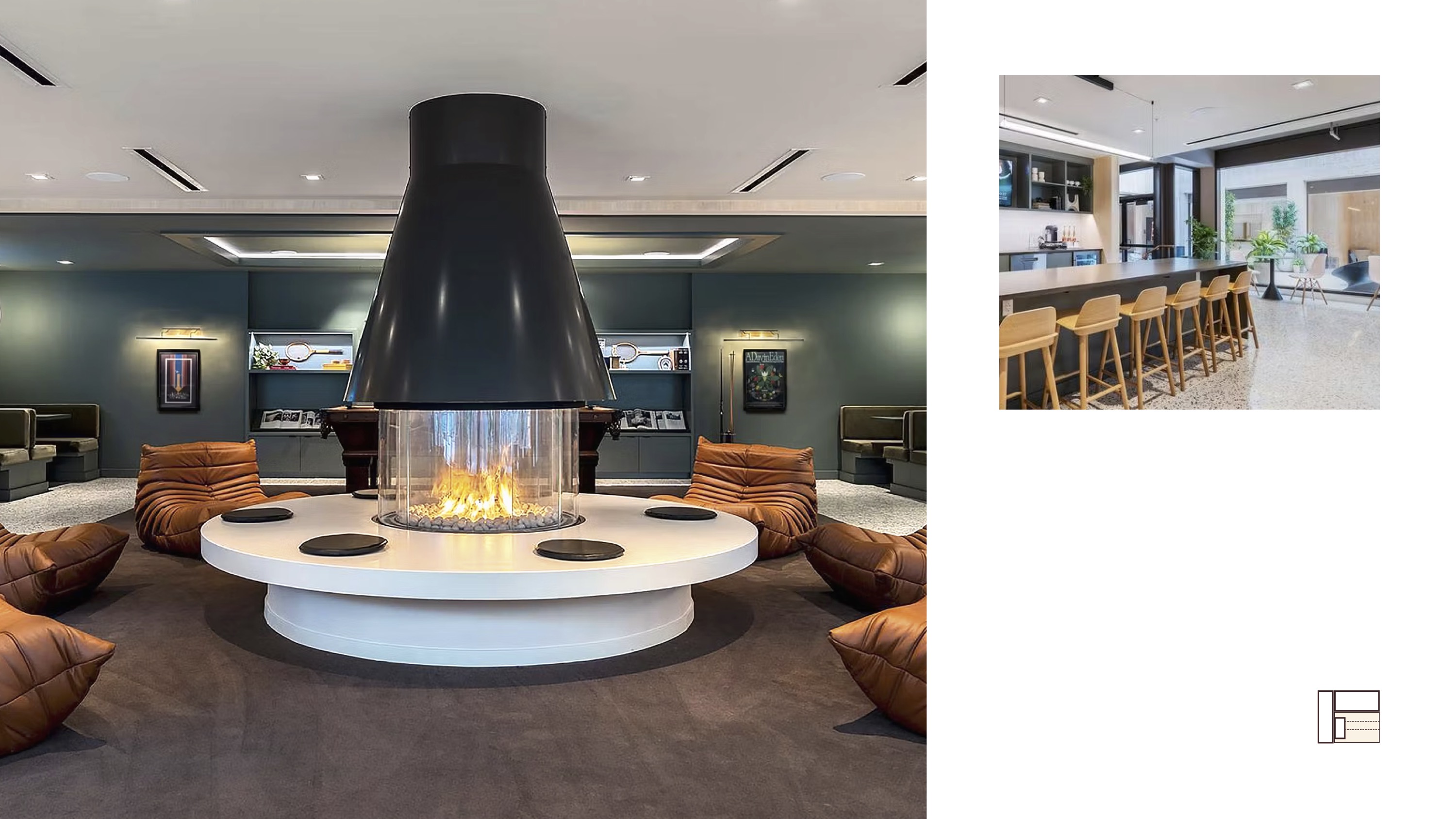
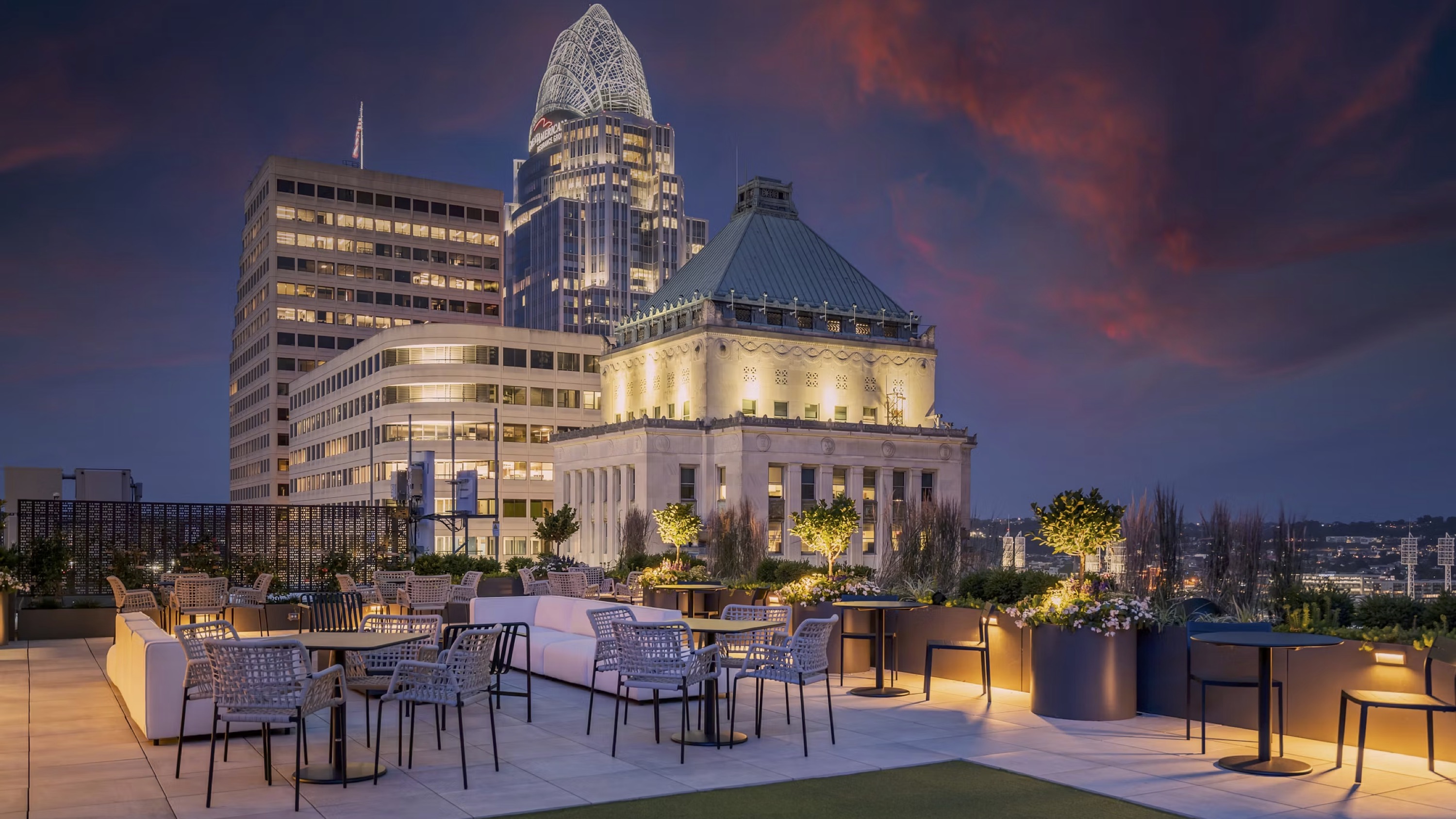
The result is a project where history is not erased but amplified. Shared amenities—a retail arcade reborn as a lush internal street, a resident lounge anchored by an iconic malm-style fireplace, and a rooftop “sky lounge” with panoramic views—extend the dialogue between two historic eras into the present and exceed expectations for urban living.
This was a collaborative effort, not solely the work of one firm. Together, in close partnership with the developer and contractor, the design teams navigated the challenges, embraced the opportunities, and delivered a vision: a community where Mad Men minimalism meets Parisian opulence in a setting that is unmistakably Cincinnati at its best. The project stands as proof that preservation can align with contemporary urban life and further positions our city as a national leader in office-to-residential conversions.





Project Details -
Submission Category
Building Architecture- Large Scale (>10,000 sf)
Date of Completion
May, 2025
Submitting Firm Name
INDIO and City Studios
Project Team
Architect
City Studios (architect for The Mercantile Library Building) and INDIO (Architect for amenities spaces and rooftop)
Interior Designer
INDIO
Environmental Designer
INDIO
Other Project Team Members
Common Bond Consulting, LLC - Historic Consultant for The Formica Building, City Studios - Historic Consultant for the Mercantile Building
Structural Engineer
Advantage Structural Engineers
MEP Engineer
KLH Engineers
Contractor
Model Construction
Thank You to our 2026 Sponsors!
Critical to the continued success and growth of the awards program is the generosity and support of Business and Industry Patrons like you. We would like to take the opportunity to invite you to consider supporting great design in the built environment. Corporate and Individual donations are welcome at any level, and will be acknowledged in our event based on level of sponsorship commitment. Please consider lending your sponsorship support and joining the celebration of creativity and quality design in our community.
Sponsor CDA TodayAfter-Party Sponsor

Firm Sponsors




Signature Cocktail Sponsors

Column



Foundation



Keystone







Event Photographer
